Careers Where Nature and Technology Thrive Together

Today we dive into Nature‑Tech Symbiotic Careers, where ecological wisdom partners with sensors, data, and robotics to repair ecosystems and redesign industries. You will explore real projects, skill paths, and mindsets that align purposeful work with measurable impact. From restoring wetlands with machine learning to guiding farmers through satellite insights, this journey offers stories, tools, and next steps to help you grow a career that honors living systems while embracing bold innovation.

Origins of a New Professional Ecosystem
The surge of roles blending ecology and engineering did not appear overnight. It arrived as climate signals intensified, biodiversity declined, and tools became both cheaper and smarter. Open data, cloud platforms, and rugged hardware made field science scalable, while grassroots conservation demanded practical outcomes. Together, these forces created professions that track birds with bioacoustics, monitor soil with microclimates, and translate complex patterns into decisions communities actually trust.

Paths You Can Actually Walk

Precision Agriculture and Regenerative Analytics

Farm fields now host soil moisture probes, canopy cameras, and micro‑weather stations. Combine NDVI from Sentinel‑2 with on‑farm sensors, and you can target irrigation, reduce fertilizer, and boost resilience. Careers range from agronomic data specialists to open‑source tool builders supporting smallholders. The differentiator is empathy: models must fit farmer calendars, bandwidth limitations, and budgets. When insights arrive in simple apps, stewardship spreads and yields become healthier, not just higher.

Conservation Drones and Bioacoustics

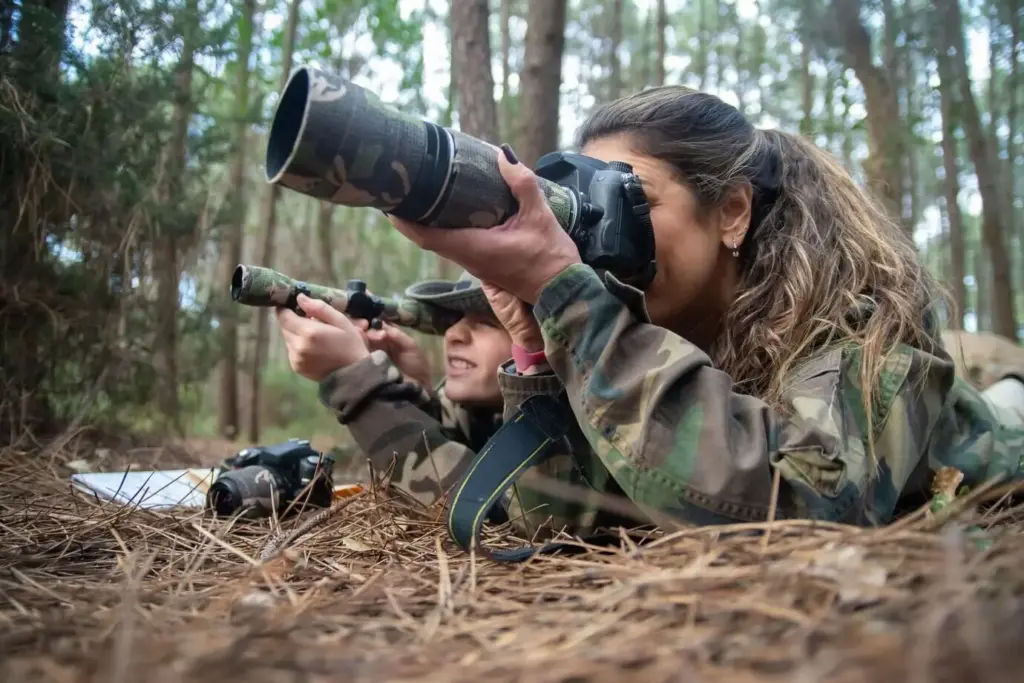
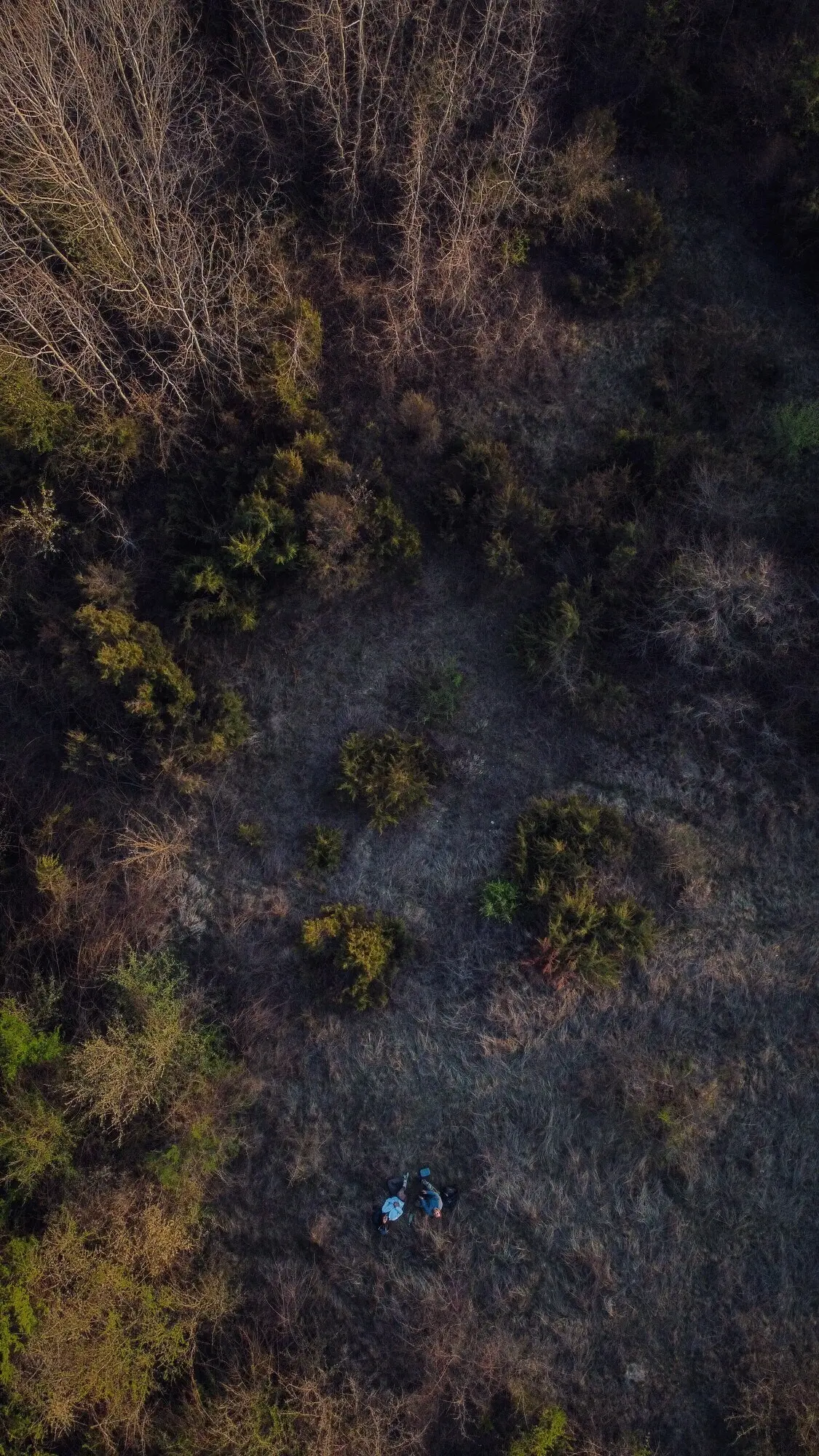
A quadcopter skims a forest canopy, capturing thermal signatures of roosting bats. Far below, recorders collect dawn choruses that reveal species presence without intrusive surveys. Specialists tune models to avoid misclassifying wind or rain as life. Technicians maintain airframes, ethicists shape protocols, and community monitors validate results. Careers here reward patience, careful labeling, and a deep respect for habitats that cannot be easily revisited if mistakes are made.

Urban Ecology Powered by Sensors

Cities are living laboratories. Low‑cost air monitors map inequities block by block, tree canopy data reveals cooling gaps, and storm drains report flooding risk during cloudbursts. Professionals translate these signals into tree‑planting plans, building codes, and transit adjustments. Product managers co‑design dashboards with residents, while analysts ground‑truth anomalies through neighborhood walks. The work blends hard data with civic care, turning sensor networks into healthier streets rather than unread charts.

Skills That Matter More Than Buzzwords

Tool stacks change fast, but core habits endure: clear problem framing, humble data practices, and field‑ready prototypes that survive dust, rain, and curiosity from wildlife. Learn GIS, Python, and basic electronics, then train your judgment through site visits and conversations with local stewards. Document assumptions, test edge cases, and share learnings openly. When credibility grows, partnerships follow, and your solutions will be invited, not imposed.

Ethics, Equity, and Indigenous Partnership
Technology can either concentrate power or restore balance. Consent, data sovereignty, and benefit sharing matter as much as accuracy. Indigenous knowledge is not an input to extract; it is a living governance system requiring reciprocal commitments. Build agreements that outlast grants, ensure local stewardship controls sensitive data, and prioritize training that creates enduring jobs. Impact measured with communities, not for them, becomes resilient change instead of fragile pilot projects.

The Drone That Found a Hidden Nest

During a windy survey, a thermal camera flagged an unusual heat patch among rocks. The team grounded assumptions, hiked slowly, and confirmed a rare ground‑nesting bird. Construction paused, buffers expanded, and crews adopted a new protocol. The pilot later trained site managers, turning one lucky save into standard practice. The real achievement was cultural: technology earned trust by protecting life when it mattered most.

Soil Sensors That Saved a Vineyard

A heatwave loomed, and historical patterns suggested irrigation. Yet buried probes showed root‑zone moisture holding steady thanks to overnight fog. The grower skipped watering, preserving flavor and saving energy. Later analysis linked cover crops to improved infiltration, guiding a broader shift across blocks. A data specialist translated graphs into simple alerts, proving that well‑timed restraint, not constant action, can protect both profit and ecology elegantly.

Your Next Step Today

Momentum begins with one small commitment. Choose a watershed, farm, or park to care about. Fork an open repository and recreate results with your own data. Email a local steward and ask what decision could use a simple dashboard. Join a citizen science group, contribute documentation, or mentor a newcomer. Then subscribe, comment, and share what you learn here so others can travel alongside you.

Build a Portfolio That Breathes

Create three tiny projects that solve real problems: a habitat suitability map using publicly available rasters, a low‑power sensor prototype with a clear deployment guide, and a narrative report comparing model choices. Keep scope humble, documentation generous, and ethics explicit. Showcase before‑and‑after decisions, not only algorithms. Recruit reviewers from different backgrounds, and iterate publicly so your growth becomes visible, credible, and genuinely useful to communities.

Find Mentors and Micro‑Internships

Look for practitioners in conservation tech, regenerative agriculture, or environmental data science who publish their work transparently. Ask for a brief code review or field debrief instead of a vague chat. Offer something concrete in return: testing, labeling, or documentation. Short, focused collaborations teach more than long theoretical courses. Over time, these relationships unlock references, co‑authored tools, and invitations to projects where trust matters more than titles.

Engage, Subscribe, and Shape the Conversation

Your perspective matters. Share a story from your local coastline, forest, or rooftop garden. Ask a tough question about uncertainty, access, or long‑term maintenance. Suggest a dataset, propose a study design, or nominate an inspiring practitioner. Subscribe for field notes, tool comparisons, and case updates, then reply with your experiments. Together we can refine methods, celebrate progress, and hold ourselves accountable to living systems we serve.

Lazydaisygenius
Privacy Overview

This website uses cookies so that we can provide you with the best user experience possible. Cookie information is stored in your browser and performs functions such as recognising you when you return to our website and helping our team to understand which sections of the website you find most interesting and useful.