
Nature-Led Careers Transforming Engineering and Architecture

From Velcro to High-Performance Cities
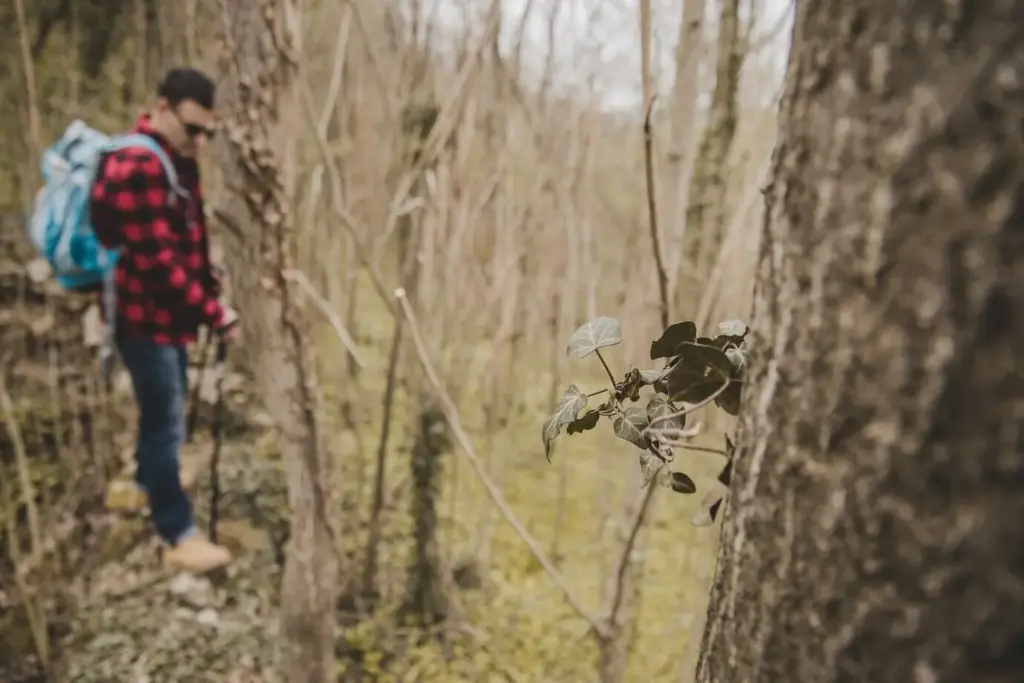
The classic Velcro story, born from burrs clinging to a hiker’s dog, is only the starting point. Modern practitioners scale insights from a leaf or shell toward neighborhoods and infrastructures. By linking form and function, they design façades that self-shade, districts that moderate heat islands, and water systems that manage floods like floodplain forests, blending compelling narratives with robust engineering calculations and policy-aware implementation steps.
A Day in the Studio
Mornings might begin with a biology brief, translating a coral reef’s cooperative behaviors into modular structures. Afternoons move into parametric modeling and simulation to test airflow inspired by termite mounds. Evenings close with stakeholder dialogue about comfort, maintenance, and budgets. Across the day, teams iterate between inspiration and verification, aligning aesthetics, ethics, code compliance, constructability, and lifecycle performance into one coherent, evidence-driven design intent.
Mindsets and Methods
Practitioners follow a repeatable arc: observe, abstract, emulate, and evaluate. Observation collects biological strategies and performance metrics. Abstraction reframes those strategies as design principles. Emulation prototypes materials or geometries. Evaluation verifies energy, comfort, durability, and circularity through simulation, testing, and post-occupancy data. Threaded through everything are life’s principles—resource efficiency, adaptability, feedback, and resilience—guiding decisions that reconnect human systems to ecological realities without romanticizing or oversimplifying nature.

Pathways Into These Careers

Core Roles Across Industries
Tools, Workflows, and Research
01
Field Biology to Design Translation
Designers start by defining functions—shed water, dissipate heat, damp vibrations—then search organisms that perform those tasks. They abstract strategies into design principles with measurable targets. Clear functional diagrams prevent superficial copying. Collaboration with biologists avoids misinterpretation, while stakeholders help prioritize goals. The result is a living brief that guides modeling, material selection, and testing, anchored in evidence rather than novelty, ensuring robust performance and project relevance.
02
Computation and Simulation
Parametric platforms explore morphologies quickly, while CFD and FEA test ideas against wind, heat, and load. Multi-objective optimization balances comfort, energy, and cost. Data from climate files, sensors, and lab tests calibrates models to reality. Teams visualize trade-offs clearly for clients, making complex decisions transparent. Version control, reproducible scripts, and standardized templates prevent errors, enabling teams to scale insights across portfolios without reinventing the wheel each time.
03
Prototyping and Testing
Physical and digital prototypes converge in wind tunnels, environmental chambers, and materials labs. 3D-printed ribs, cast panels, mycelium blocks, and microtextured films undergo wear, UV, cleaning, and impact tests. Feedback refines geometry, assembly, and finishes. Pilot installations capture occupant experience and maintenance realities. Measured performance—air changes, thermal lag, microbial adhesion, water shedding—supports procurement and permits, transforming inspiring concepts into dependable, code-compliant, maintainable solutions.
Ethics, Sustainability, and Impact
Regenerative Outcomes
Biosafety and Sourcing
Equity and Community
Real Projects and Lessons
Your Next Steps and How We Can Help
Try a Nature-Sprint Exercise
Share Your Questions
Subscribe and Collaborate
All Rights Reserved.