
Guardians of the Wild: Careers at the Frontier of Conservation Tech

Step into Wildlife Conservation Technology Jobs: Drones, Camera Traps, and Acoustic AI, where pilots, field biologists, data scientists, and storytellers collaborate to protect fragile ecosystems. Explore day-to-day responsibilities, hiring expectations, safety practices, and surprising breakthroughs that turn raw signals into life-saving decisions. Share your questions, subscribe for field-tested insights, and join a growing community building meaningful careers that blend compassion, science, and engineering for species and habitats that cannot speak for themselves.

Pilot Pathways and Certifications

Build competence through recognized certifications, disciplined checklists, and mentorship that emphasizes safety-first judgment. Practice simulated missions that test wind tolerances, emergency procedures, and battery reserve calculations. Compare multirotor agility with fixed-wing endurance for large reserves, and align flight logs, incident reports, and maintenance notes with organizational standards. Employers value calm communication, respect for regulations, and humility when weather or wildlife behavior demands postponing even the most carefully planned sorties.

Sensors, Payloads, and Mission Design

Choosing the right payload transforms a flight into insight. RGB enables high-resolution mapping, multispectral tracks vegetation health, and thermal imaging supports nocturnal monitoring with minimal disturbance. Mission design balances altitude, overlap, and ground sampling distance against battery constraints, terrain, and animal sensitivity. Thoughtful noise management, launch sites, and approach patterns reduce stress on wildlife, while data sheets, geotagging, and reproducible naming conventions safeguard scientific integrity from field collection through post-processing.

Regulatory and Ethical Flight Operations

Conservation pilots navigate complex permits, protected area restrictions, and community concerns. Pre-mission engagement with rangers, landholders, and local leaders builds trust and clarifies flight windows, noise expectations, and data-sharing protocols. Ethical operations avoid nesting sites, minimize repeated overflights, and secure sensitive coordinates that could expose animals to harm. Documented risk assessments, privacy considerations, and transparent purpose statements help teams fly responsibly, demonstrating respect for people, places, and the wildlife they safeguard.

Field Deployment Strategies that Actually Work

Success begins with site selection guided by tracks, scrapes, vegetation funnels, and local knowledge. Technicians adjust height, angle, and distance to avoid false triggers and maximize identification confidence. Weatherproof housings, silica gel, and cable locks prevent failures and theft, while regular servicing cycles keep batteries and memory cards reliable. Clear metadata templates capture location, date, settings, and notes, enabling teams to compare sites honestly and sharpen conservation decisions over seasons.

Computer Vision Pipelines and Labeling Discipline

Professional teams combine human expertise with machine learning to accelerate species identification. Active learning focuses attention on uncertain frames, while quality control audits reduce drift and compounding errors. Consistent class taxonomies, reviewer training, and inter-rater checks build trust in outputs used for policy or patrols. Model documentation, benchmark sets, and transparent performance reporting help leaders understand confidence limits, promoting thoughtful decisions rather than overreliance on impressive yet imperfect automation.

Ethics, Privacy, and Reducing Harm

Camera traps sometimes record people, livestock, or culturally sensitive moments. Ethical practitioners secure consent where appropriate, blur faces, and protect location data that could enable poaching. They avoid baiting that changes animal behavior, plan placements that minimize stress, and consult communities about placement zones. Written protocols clarify retention periods, access rights, and deletion requests, ensuring conservation technology honors dignity, safety, and local expectations while still delivering robust ecological insights.

Silent Watchers: Camera Traps and Remote Imaging Careers

Motion-triggered cameras reveal lives often invisible to humans, capturing elusive predators, shy herbivores, and unexpected behaviors that reshape management plans. Specialists design deployment grids, maintain equipment in punishing weather, and manage immense datasets with disciplined labeling practices. Their work connects ecology with machine learning, ensuring each image contributes to population estimates, corridor planning, and community conversations about coexistence informed by evidence rather than assumptions or outdated anecdotes.

Listening to Forests: Acoustic AI from Canopy to Cloud

Forests, reefs, and grasslands are alive with sound. Passive recorders and hydrophones capture bird choruses, frog calls, whale songs, chainsaws, and gunshots, transforming invisible events into actionable alerts. Careers span hardware design, field installation, signal processing, and model deployment that respects power limits and connectivity gaps. Thoughtful monitoring turns sonic complexity into early warnings, trend analyses, and protective decisions that help ecosystems recover before damage becomes irreversible.

From Data to Decisions: GIS, Dashboards, and Evidence You Can Trust

Raw pixels and waveforms become meaningful only when they change actions on the ground. Analysts standardize metadata, secure sensitive coordinates, and publish maps and dashboards that communicate risk, opportunity, and uncertainty clearly. Stakeholders—from rangers to funders—need contextual layers, versioned datasets, and traceable methods. When evidence is transparent and timely, it strengthens collaboration, improves patrol efficiency, and builds public confidence that resources are protecting wildlife effectively and responsibly.

Data Management, Cleaning, and Reproducibility

Robust workflows start with consistent schemas, clear variable names, and documented units. Teams track provenance from field device to final chart, storing raw and processed layers separately. Automated checks flag duplicates, time drift, and location anomalies. Reproducible notebooks, code reviews, and peer audits reduce mistakes and increase trust, making it easier to onboard new teammates, pass external evaluations, and ensure that future analyses can extend rather than silently contradict past work.

Spatial Storytelling that Moves People to Act

Maps persuade when they respect nuance. Layer corridors, threat heatmaps, land tenure, and community boundaries to show trade-offs and equitable options. Captions and legends explain uncertainty without undermining urgency. Before briefings, rehearse how patrol routes, budget choices, or seasonal closures shift under each scenario. Invite feedback from local experts who recognize patterns outsiders miss, turning maps into shared narratives that mobilize resources, foster pride, and guide pragmatic, compassionate interventions.

Volunteer-to-Professional Pathways
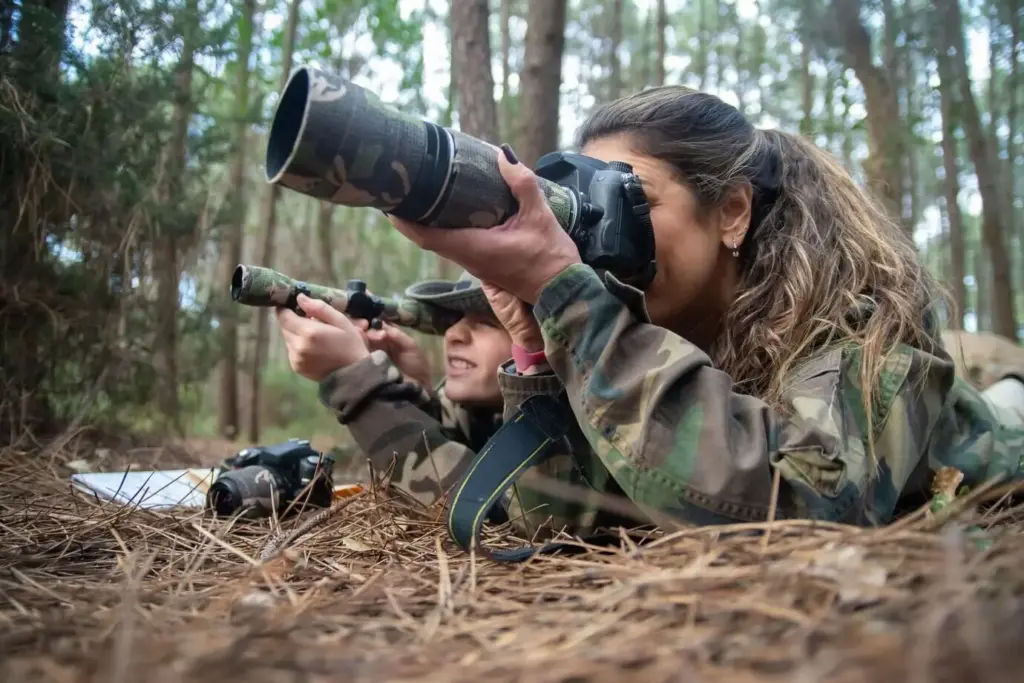
Start with community science projects, open datasets, and mentorship from local conservationists. Offer to help with labeling backlogs, equipment checks, or deployment planning. Keep reflective notes that show how your contributions improved accuracy, safety, or efficiency. When pitching roles, link specific experiences to job needs—night operations, ruggedized hardware, or ethical review. Your evolving story proves you can grow responsibly, handle ambiguity, and stay kind under pressure when wildlife and people depend on good judgment.

Building a Portfolio that Opens Doors
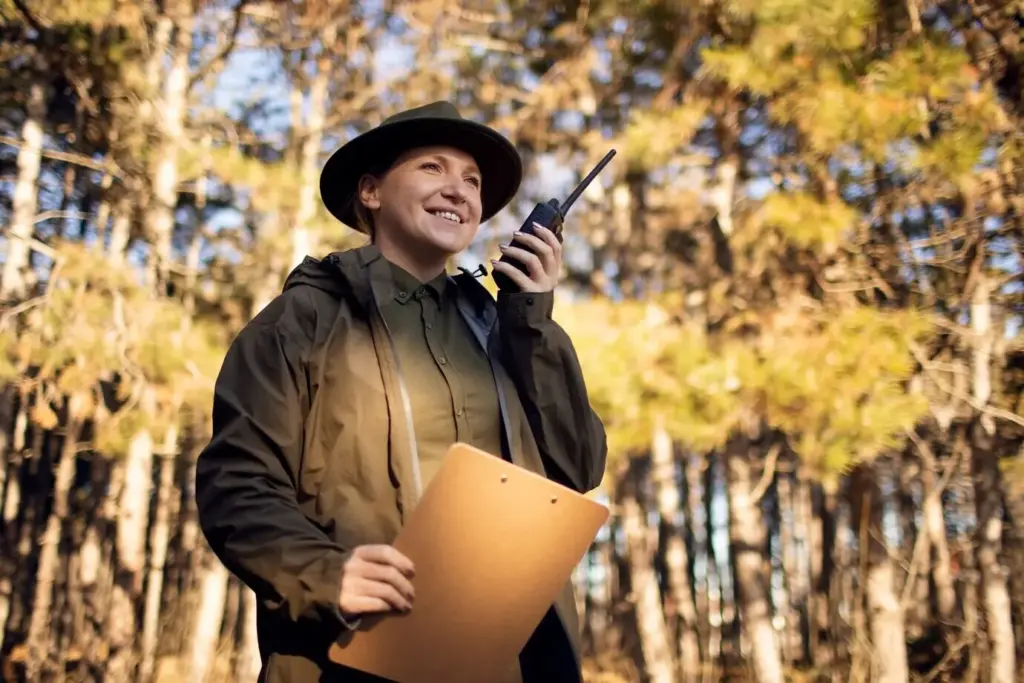
Curate concise case studies: a flight mission with risk assessment, an acoustic model with clear validation, a camera trap pipeline with bias checks and instructions others can reproduce. Include code repositories, dashboards, and written debriefs explaining trade-offs. Visuals help, but context matters more. Employers appreciate clean documentation, honest limitations, and evidence of teamwork across disciplines. Add learning notes, references, and a simple contact form inviting collaboration, feedback, and potential field tests.

Interviews, Storytelling, and Negotiation

Practice narratives that balance ambitious results with humility. Describe a challenging mission, the constraints you faced, the safeguards you used, and what you would change next time. Bring thoughtful questions about community partnerships, data governance, and long-term maintenance. When negotiating, consider safety gear, training budgets, realistic timelines, and mental health support. You are joining a mission, not just a position—align expectations so your contribution remains sustainable, ethical, and genuinely impactful.

Packing Smart for Remote Deployments

Think layers: waterproof cases, desiccants, spare cables, labeled bags, and field notebooks that survive rain. Power banks, extra propellers, and firmware backups rescue missions that would otherwise fail. Simple comfort items—dry socks, sun protection, electrolyte salts—keep focus sharp. Include printed protocols for troubleshooting sensors and recovering from errors calmly. Checklists prevent avoidable losses, making you the teammate others trust when conditions deteriorate and every hour of daylight matters.

Risk, Permits, and Respectful Conduct

Safety starts with documented risk assessments and continues with quiet cultural awareness. Confirm permits, patrol coordination, and no-go zones before leaving base. Share itineraries, radio procedures, and rendezvous points. During deployments, greet neighbors, explain activities clearly, and step back when discomfort arises. Leave sites cleaner than you found them, log deviations honestly, and schedule recovery buffers. Professionalism shines through small courtesies that protect relationships as much as they protect landscapes and wildlife.

Wellbeing, Team Culture, and Reflection

Sustained impact requires rest, psychological safety, and space to learn. Rotate roles to prevent burnout, normalize asking for help, and celebrate small wins. Regular debriefs invite frank feedback without blame, strengthening trust and performance. Leaders model compassion by adjusting timelines when weather, wildlife, or community needs demand it. Personal rituals—journaling, stretching, or quiet walks—help integrate tough days, keeping motivation anchored in gratitude and a sense of shared purpose.

Allies and Support: Partnerships, Grants, and Shared Learning

No one saves ecosystems alone. Collaborations with communities, rangers, researchers, and funders determine whether great ideas scale. Winning proposals emphasize measurable outcomes, co-created plans, and honest maintenance budgets. Publishing lessons—including mistakes—builds credibility that attracts new allies. By sharing tools, datasets, and stories, professionals spark creativity across continents, accelerating adoption of responsible technologies that honor local knowledge, protect sensitive information, and deliver benefits where they are needed most.
Lazydaisygenius
Privacy Overview

This website uses cookies so that we can provide you with the best user experience possible. Cookie information is stored in your browser and performs functions such as recognising you when you return to our website and helping our team to understand which sections of the website you find most interesting and useful.